|
| |
| The Shifting Sands |
Along the sea shores you can find a wide variety of plants
that live in the Shifting Sands. |
| |
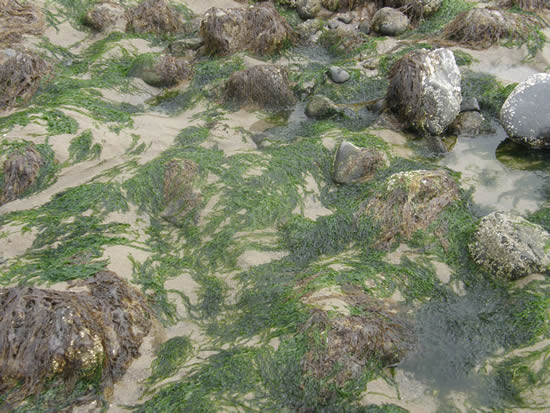 |
The tide washes lazily over the rocks stirring up the sand and seaweeds. |
|
SD
|
 |
__ |
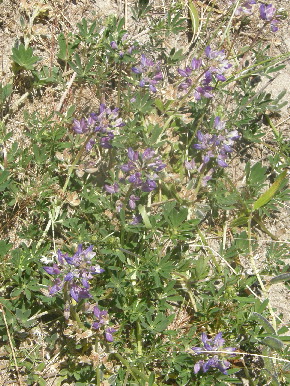 |
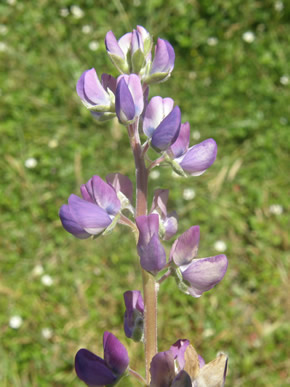
Many of these coastal plants have a common name that can identify the area where they can be found. One such plant belongs to the Lupine family, Seashore Lupine, Lupinus littoralis.
The image on the right shows how this flower creeps over the sandy shore. |
SD |
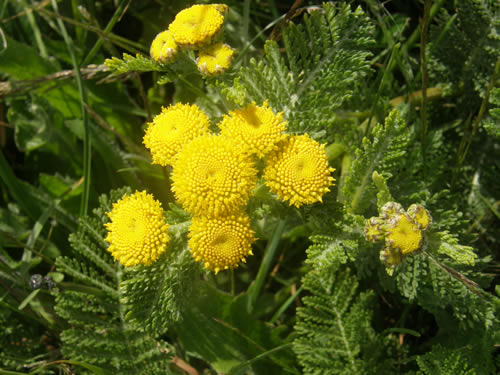 |
The Dune Tansy, Tanacetum douglasii, is another plant whose name lets you know that it can endure the rigorous moods of the sandy shores. |
| SD |
 |
There are numerous plants in the vetch family that are well adapted to the life by the sea, the Giant Vetch, Vicia gigantea, finds this habitat quite acceptable. |
| SD |
|
|
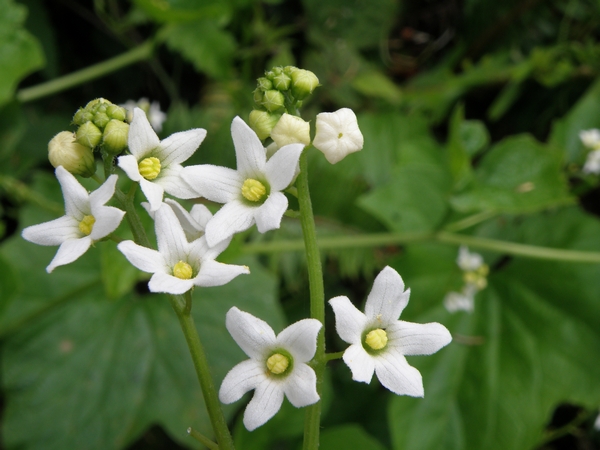
Another trailing plant is the Manroot, Marah oreganus, also known as Wild Cucumber, a flowering plant in the Gourd family of plants. The stems are stout and hairy with tendrils that allow it to climb and cling to other vegetation in the area. |
| |
|
SD |
 |
The leaves of the Manroot can vary between plants and even on the same vine. |
| SD |
 |
__ |
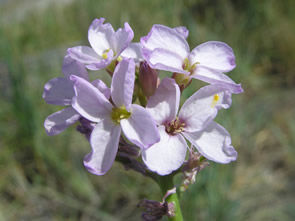 |
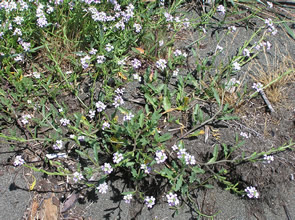
Another of the plants whose common name suggests what its favoured habitat is, is the American Sea Rocket, Cakile edentula, is a sand loving plant that thrives above the seas tide mark, although occasionally the spring tides may cover the area. |
| |
 |
The Beach Pea, Lathyrus japonicas, is similar to the garden sweet pea and the wild Perennial Pea. It really likes the sandy conditions as it sprawls over the debris from the seas and other beach vegetation. |
| SD |
 |
| |
 |
__ |
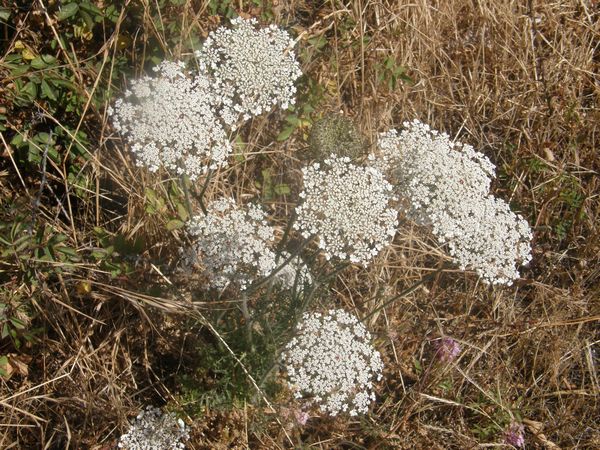
Queen Ann's Lace, Daucus carota, is a very common weedy plant although the flowers are very intricate and the leaves are used in pressed flower decorations.
It is a native of Europe and as the images show does very well in the dry conditions |
SD |
 |
__ |
|
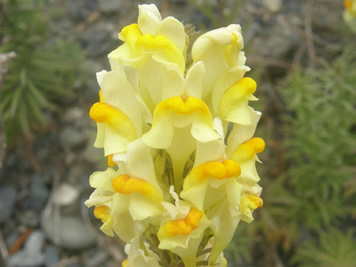
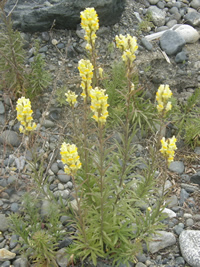
Toadflax, Linaria vulgaris, with the other common name of Butter and Eggs, is another plant that grows in some terrible looking sites. One would suggest that only the smallest of weeds would make the effort to grow in this habitat. This plant however does very well growing to 2 feet tall and has neat looking flowers that would enhance most gardens. |
SD |
 |
| |
 |
__ |
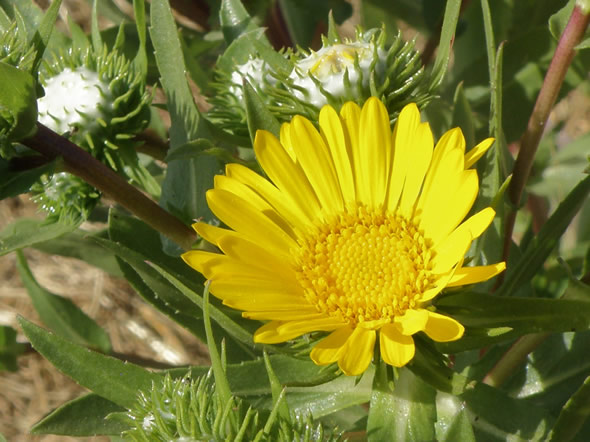
Common Gumweed, Grindelia cuneifolia, occurs in brackish coastal marshes of western North America.
Its striking yellow flowers, usually in large numbers on each plant, make a very impressive sight in late September and into October. |
SD |
|
|
| |
| Dereila Nature Inn Home > Lagoon Trail > Marine Life Guides, Articles, Trivia and More! > The Shifting Sands |
|
|